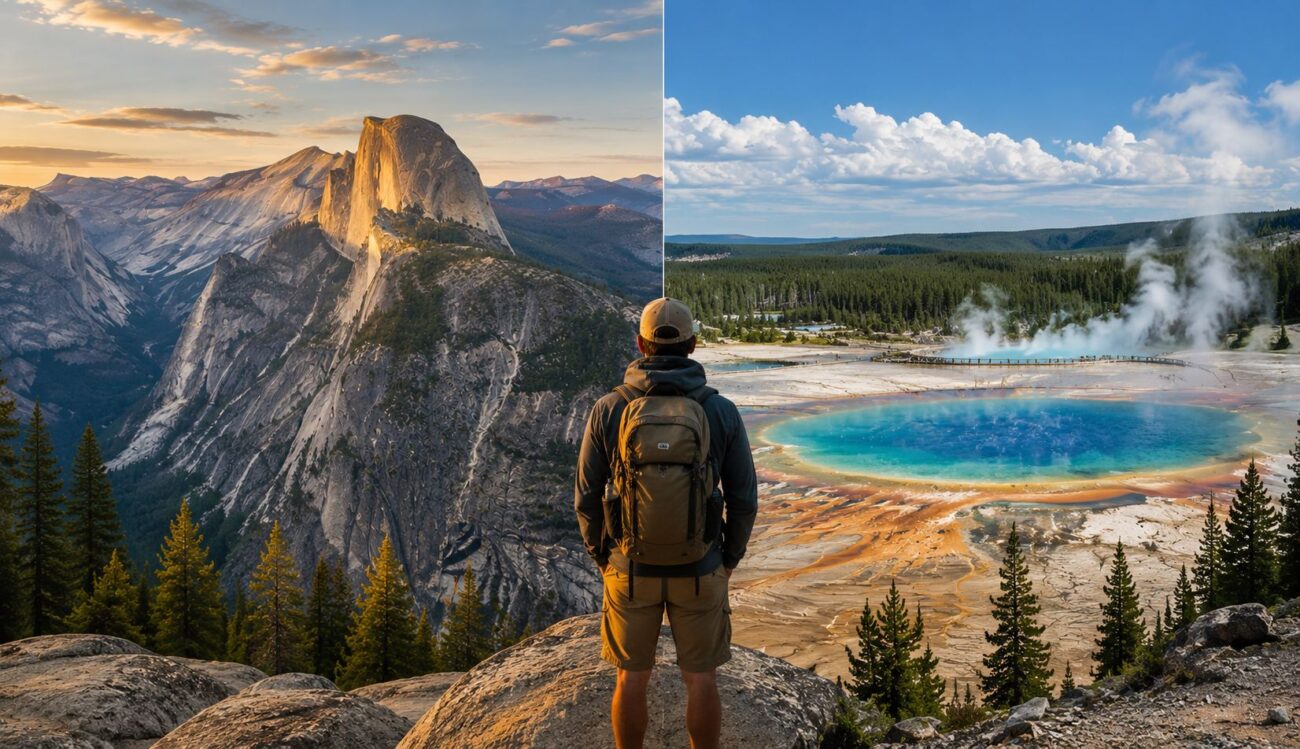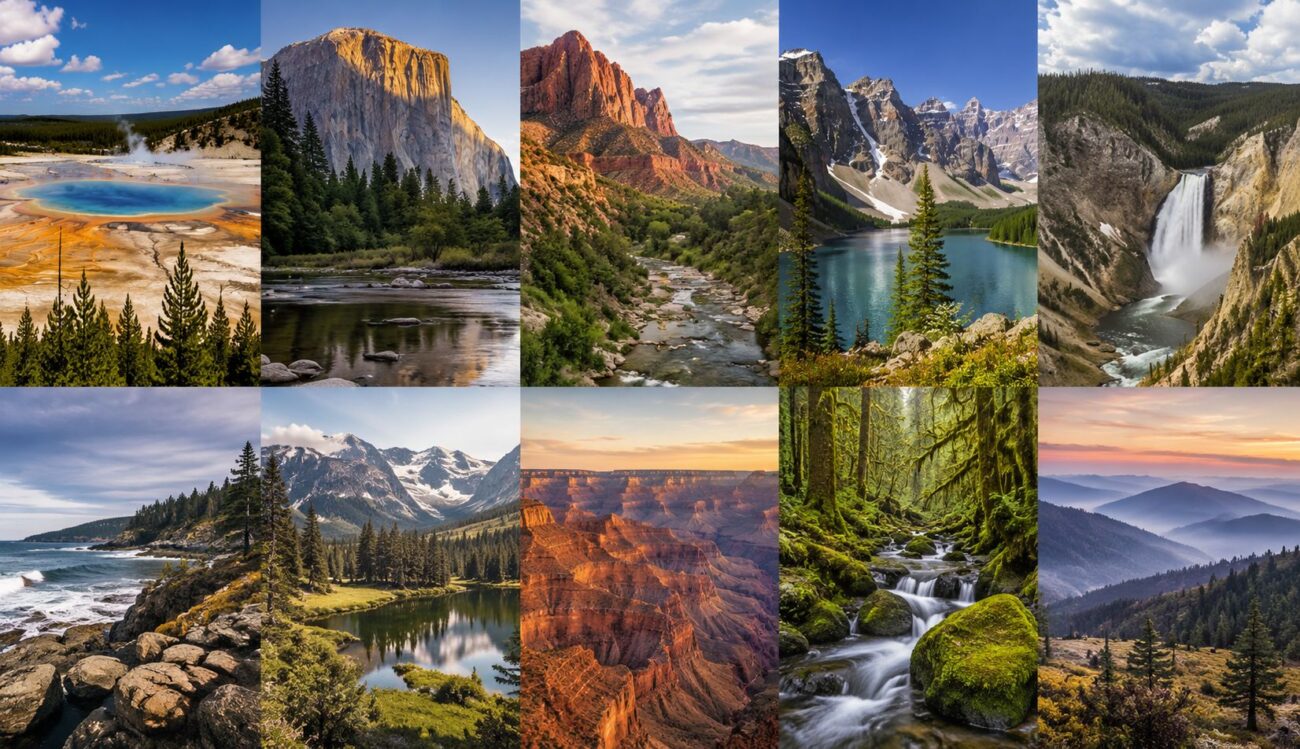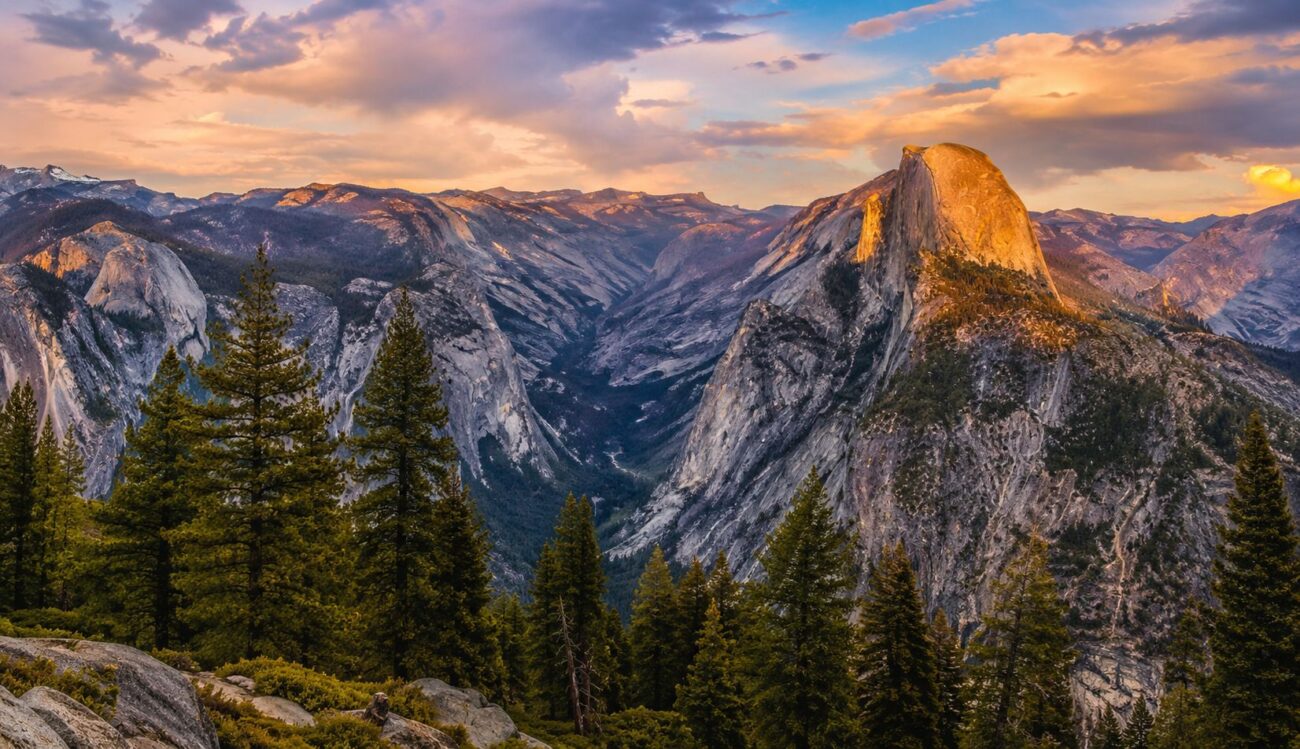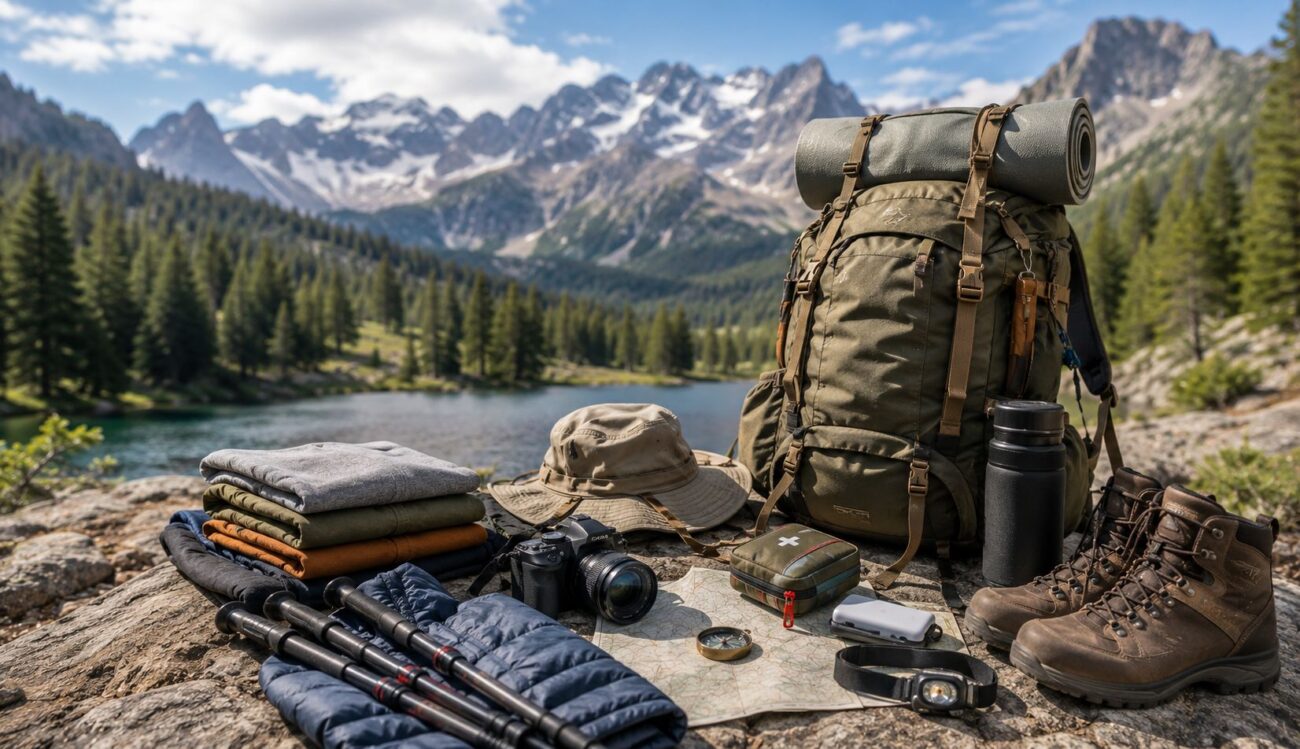
Planning a trip to one of America’s incredible national parks? Whether you’re hiking through Yosemite’s granite peaks, spotting wildlife in Yellowstone, exploring Zion’s red rock canyons, or camping beneath Glacier’s star-filled skies, proper preparation can make the difference between a memorable adventure and an uncomfortable experience. This ultimate National Park packing checklist covers everything outdoor enthusiasts need for hiking, sightseeing, camping, and changing weather conditions.
Why Packing Properly Matters
National parks are some of the most beautiful places on Earth, but they can also be unpredictable.
Weather conditions can change quickly, trails may be longer than expected, and many parks have limited access to supplies once you’re inside.
Packing smart helps you:
- Stay comfortable during long days outdoors
- Be prepared for unexpected weather
- Reduce safety risks
- Protect natural environments
- Enjoy your adventure with confidence
The goal isn’t to carry everything—it’s to carry the right things.
Essential Clothing Checklist
Clothing is one of the most important parts of any outdoor packing list.
The key is dressing in layers so you can adjust to changing temperatures throughout the day.
Base Layers
These items help regulate body temperature and wick away moisture.
Pack:
✔ Moisture-wicking t-shirts
✔ Lightweight long-sleeve shirts
✔ Performance underwear
✔ Athletic socks
Avoid cotton whenever possible, especially for longer hikes.
Mid Layers
These provide warmth during cool mornings and evenings.
Pack:
✔ Fleece jacket
✔ Lightweight insulated jacket
✔ Pullover hoodie
✔ Thermal top (for colder destinations)
Outer Layers
Weather can change quickly in the mountains.
Pack:
✔ Waterproof rain jacket
✔ Windbreaker
✔ Waterproof shell
✔ Rain pants (optional)
Hiking Bottoms
Comfort is critical on the trail.
Pack:
✔ Hiking pants
✔ Hiking shorts
✔ Convertible zip-off pants
✔ Leggings (optional)
Footwear
Your shoes can make or break your trip.
Pack:
✔ Hiking boots
✔ Trail running shoes
✔ Comfortable camp shoes
✔ Extra hiking socks
Break in new footwear before your trip.
Day Hiking Essentials
Even short hikes require preparation.
Daypack
Choose a comfortable backpack with enough room for water, food, and emergency items.
Recommended Size:
- 15–30 liters
Hydration
Dehydration is one of the most common problems for hikers.
Pack:
✔ Reusable water bottles
✔ Hydration reservoir
✔ Water filter (for longer hikes)
✔ Electrolyte packets
Snacks and Food
Fuel keeps energy levels high throughout the day.
Pack:
✔ Trail mix
✔ Energy bars
✔ Dried fruit
✔ Jerky
✔ Sandwiches or lunch supplies
Bring more food than you think you’ll need.
Navigation and Trail Tools
Cell service can be unreliable in many national parks.
Always carry backup navigation tools.
Pack:
✔ Park maps
✔ Trail maps
✔ Compass
✔ GPS device
✔ Offline maps downloaded to your phone
Knowing where you are is one of the most important aspects of outdoor safety.
Safety and Emergency Essentials
Preparation is part of responsible outdoor recreation.
First Aid Kit
Every outdoor adventure should include a basic first aid kit.
Pack:
✔ Bandages
✔ Antiseptic wipes
✔ Pain relievers
✔ Blister treatment
✔ Allergy medication
✔ Tweezers
✔ Medical tape
Emergency Items
Pack:
✔ Headlamp or flashlight
✔ Extra batteries
✔ Emergency blanket
✔ Multi-tool
✔ Whistle
✔ Portable power bank
These lightweight items can be invaluable during unexpected situations.
Sun Protection Checklist
Many national parks have high elevations and intense sun exposure.
Pack:
✔ Sunglasses
✔ Sunscreen
✔ Lip balm with SPF
✔ Wide-brim hat
✔ Neck gaiter or buff
Even on cloudy days, UV exposure can be significant.
Photography and Adventure Gear
National parks offer endless opportunities for capturing unforgettable memories.
Pack:
✔ Smartphone
✔ Camera
✔ Extra memory cards
✔ Portable charger
✔ Tripod (optional)
✔ Binoculars
Wildlife viewing becomes much more enjoyable with binoculars.
Camping Essentials
If you’re staying overnight, your packing list expands considerably.
Shelter
Pack:
✔ Tent
✔ Tent stakes
✔ Ground tarp
✔ Rain fly
Sleep System
Pack:
✔ Sleeping bag
✔ Sleeping pad
✔ Travel pillow
Comfortable sleep helps you recover for the next day’s adventures.
Camp Kitchen
Pack:
✔ Camp stove
✔ Fuel
✔ Cooking utensils
✔ Lightweight cookware
✔ Reusable plates and cups
✔ Cooler (if applicable)
National Park Wildlife Safety Items
Many parks are home to wildlife such as bears, bison, elk, and mountain lions.
Pack:
✔ Bear spray (where permitted)
✔ Bear-proof food storage
✔ Odor-proof bags
✔ Wildlife safety information
Always follow park-specific regulations and maintain safe distances from animals.
Seasonal Packing Considerations
Different parks and seasons require different gear.
Summer Trips
Pack:
✔ Extra water
✔ Lightweight clothing
✔ Cooling towel
✔ Sun hat
Spring and Fall Trips
Pack:
✔ Warm layers
✔ Rain gear
✔ Gloves
✔ Beanie
Winter Adventures
Pack:
✔ Insulated jacket
✔ Thermal layers
✔ Waterproof boots
✔ Traction devices
✔ Hand warmers
Always check weather forecasts before departure.
Leave No Trace Essentials
Protecting public lands is every visitor’s responsibility.
Pack:
✔ Trash bags
✔ Reusable containers
✔ Refillable water bottles
✔ Eco-friendly toiletries
✔ Small towel
Remember:
Pack it in, pack it out.
Leaving nature exactly as you found it helps preserve these places for future generations.
Printable National Park Packing Checklist
Clothing
☐ Moisture-wicking shirts
☐ Hiking pants
☐ Hiking shorts
☐ Jacket
☐ Rain gear
☐ Hiking socks
☐ Hiking boots
Hiking Essentials
☐ Backpack
☐ Water bottles
☐ Snacks
☐ Maps
☐ Compass
☐ GPS
Safety Gear
☐ First aid kit
☐ Headlamp
☐ Emergency blanket
☐ Power bank
☐ Multi-tool
Personal Items
☐ Sunglasses
☐ Sunscreen
☐ Hat
☐ Camera
☐ Binoculars
Camping Gear
☐ Tent
☐ Sleeping bag
☐ Sleeping pad
☐ Camp stove
☐ Cooking supplies
Common Packing Mistakes to Avoid
Many first-time visitors either overpack or underpack.
Avoid these common mistakes:
❌ Wearing brand-new hiking boots
❌ Bringing too little water
❌ Forgetting weather layers
❌ Relying only on phone navigation
❌ Ignoring wildlife safety guidelines
❌ Leaving sunscreen behind
A little preparation goes a long way.
Final Thoughts
America’s national parks offer unforgettable adventures, from Yellowstone’s wildlife-filled valleys and Yosemite’s towering cliffs to Glacier’s alpine lakes and Zion’s dramatic canyons.
The right gear helps ensure your trip is comfortable, safe, and enjoyable. By using this National Park packing checklist, you’ll be prepared for hiking, sightseeing, camping, photography, and whatever surprises nature may have in store.
Whether you’re heading out for a weekend getaway or a multi-day wilderness adventure, smart packing allows you to focus on what truly matters—exploring some of the most spectacular landscapes on Earth.
Adventure begins long before you reach the trailhead. It starts with preparation.