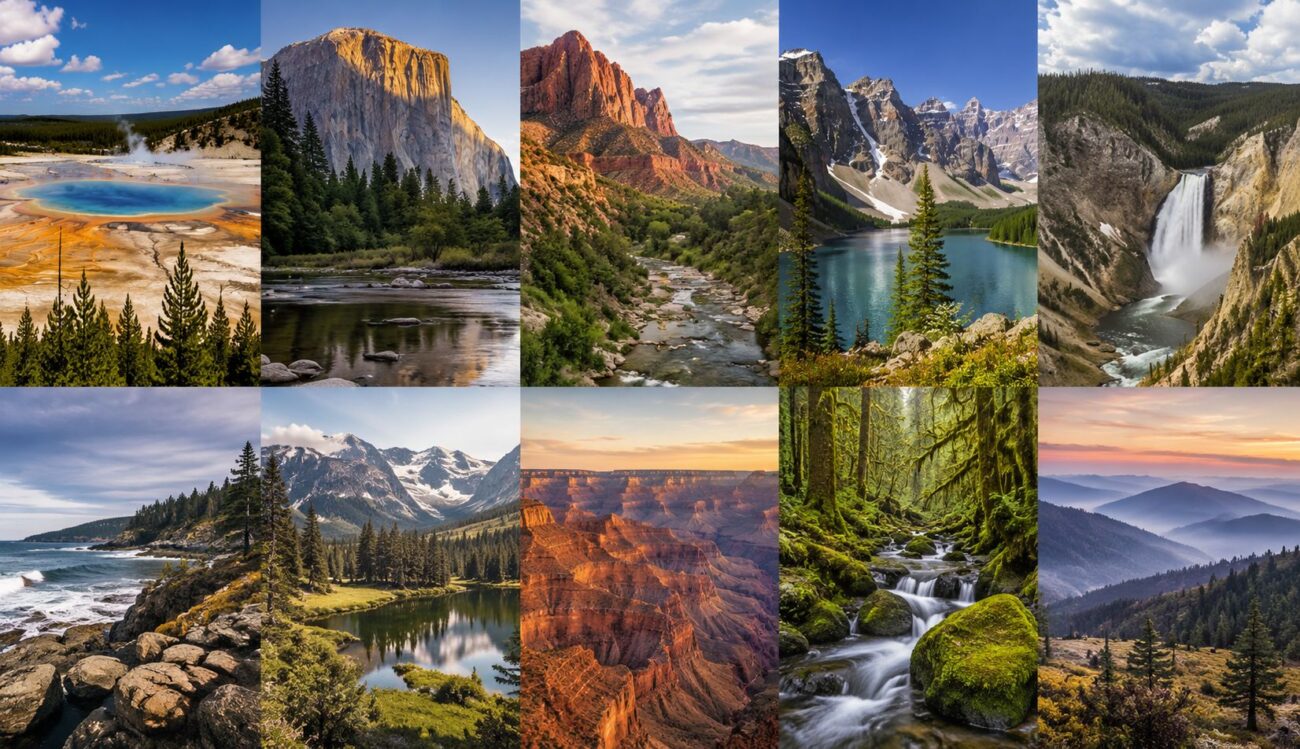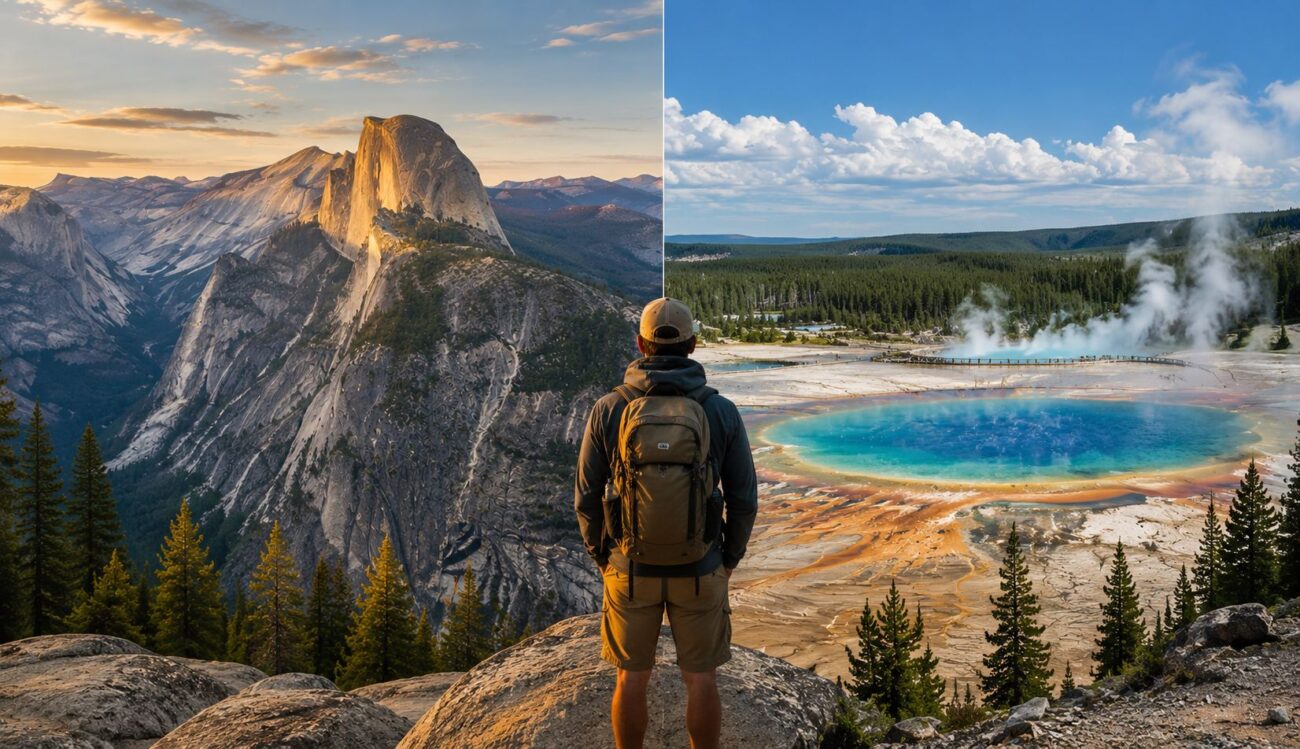
From Yellowstone’s geothermal wonders to Yosemite’s towering granite cliffs, America’s national parks have captured the imagination of adventurers, artists, and nature lovers for generations. But beyond their breathtaking landscapes lies a rich history of conservation, exploration, and cultural significance that continues to inspire millions of visitors every year.
The Birth of America’s National Parks
The story of America’s national parks begins with a revolutionary idea: preserving extraordinary natural landscapes for future generations.
In the mid-19th century, as the United States expanded westward, explorers, scientists, and artists documented vast wilderness areas unlike anything seen before. Their reports and paintings revealed dramatic waterfalls, towering mountains, dense forests, and unique geothermal features that quickly captured public attention.
Recognizing the importance of protecting these natural treasures, the U.S. government established Yellowstone National Park in 1872, making it the world’s first national park. This landmark decision laid the foundation for a global conservation movement that continues today.
Yellowstone: The World’s First National Park
Yellowstone remains one of the most iconic parks in America and a symbol of wilderness preservation.
Spanning portions of Wyoming, Montana, and Idaho, Yellowstone is famous for its geothermal features, including the legendary Old Faithful geyser. The park also serves as one of the largest intact ecosystems in North America.
What Makes Yellowstone Special?
- More than 10,000 geothermal features
- Home to bison, wolves, elk, bears, and countless wildlife species
- Vast mountain landscapes and scenic valleys
- Rich Native American history spanning thousands of years
Yellowstone’s establishment marked a turning point in environmental conservation and inspired future generations to protect natural wonders around the world.
Yosemite: Nature’s Cathedral
When people think of dramatic American landscapes, Yosemite National Park often comes to mind.
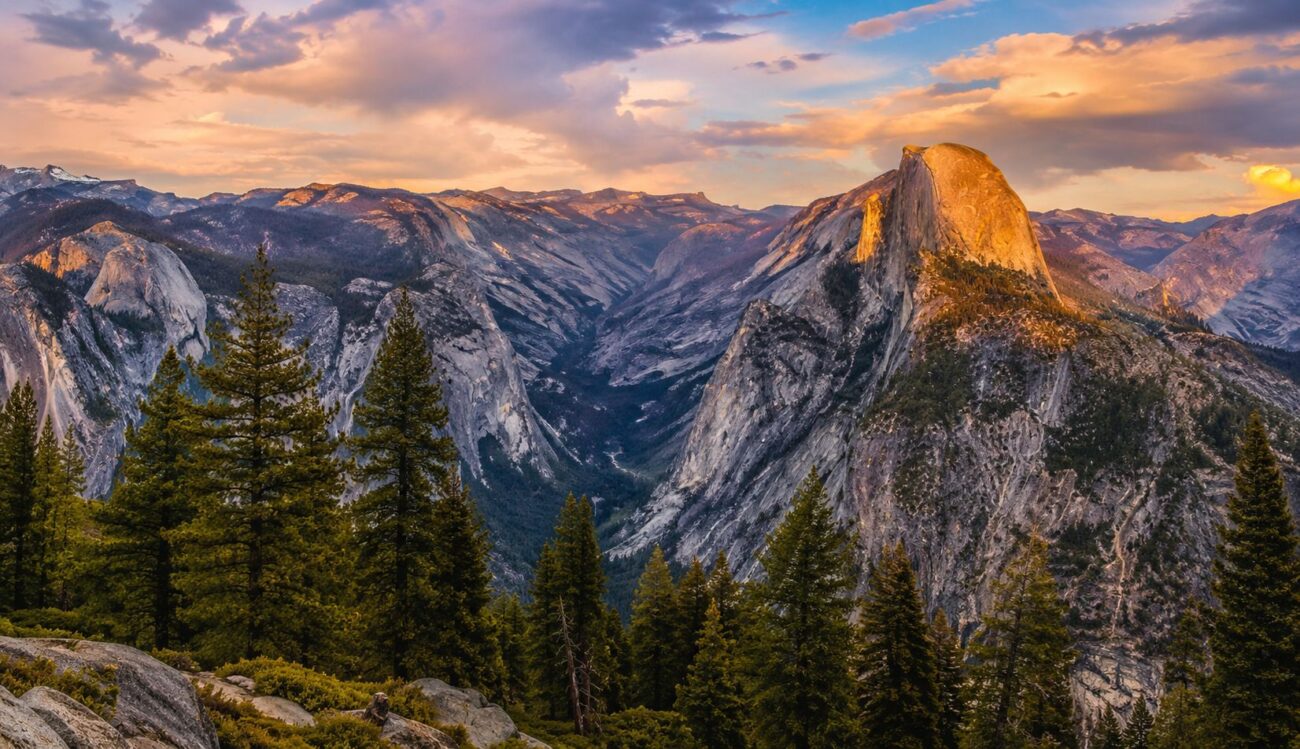
Located in California’s Sierra Nevada Mountains, Yosemite is renowned for its granite cliffs, giant sequoias, and spectacular waterfalls. The park’s beauty inspired influential naturalists such as John Muir, whose advocacy played a critical role in the conservation movement.
Yosemite’s Most Famous Landmarks
- Half Dome
- El Capitan
- Yosemite Falls
- Mariposa Grove of Giant Sequoias
John Muir’s passionate writings helped convince policymakers that wilderness areas deserved permanent protection, helping shape the future of the National Park System.
Zion: A Desert Masterpiece
Nestled in southwestern Utah, Zion National Park showcases a completely different side of America’s natural beauty.
Known for its towering sandstone cliffs, narrow slot canyons, and breathtaking desert scenery, Zion attracts hikers and photographers from around the world.
Why Adventurers Love Zion
- Angel’s Landing Trail
- The Narrows
- Stunning red rock formations
- Diverse desert ecosystems
The park’s dramatic landscapes tell a geological story spanning hundreds of millions of years, making it one of the most visually striking destinations in the United States.
Glacier: The Crown of the Continent
Located in northern Montana, Glacier National Park offers some of the most pristine wilderness remaining in North America.
Its rugged mountains, crystal-clear lakes, alpine meadows, and historic Going-to-the-Sun Road create an unforgettable outdoor experience.
Highlights of Glacier National Park
- Over 700 miles of hiking trails
- Spectacular alpine scenery
- Diverse wildlife including mountain goats and grizzly bears
- Historic lodges and scenic drives
Often called the “Crown of the Continent,” Glacier represents the wild spirit that has drawn explorers and adventurers to America’s public lands for generations.
The Conservation Movement That Changed Everything
America’s national parks would not exist without the efforts of conservationists, scientists, photographers, and everyday citizens who recognized the value of preserving natural landscapes.
Visionaries like John Muir, Theodore Roosevelt, and countless park advocates fought to protect wilderness areas from unchecked development. Their efforts eventually led to the creation of the National Park Service in 1916, which continues to manage and preserve these remarkable places today.
Their vision helped establish a simple yet powerful principle:
Some places are too important to lose.
Why National Parks Continue to Inspire Us
More than a century after Yellowstone’s establishment, America’s national parks remain symbols of adventure, freedom, and connection with nature.
Visitors come not only to witness incredible scenery but also to experience something increasingly rare in modern life: true wilderness.
Whether standing beneath Yosemite’s granite walls, watching wildlife roam Yellowstone’s valleys, exploring Zion’s sandstone canyons, or hiking through Glacier’s alpine landscapes, people often leave with a renewed appreciation for the natural world.
National parks remind us that some of life’s greatest experiences cannot be found indoors—they are discovered on winding trails, mountain overlooks, and beneath vast open skies.
Bringing the Spirit of the National Parks Home
The beauty and history of America’s national parks have inspired generations of artists, photographers, and outdoor enthusiasts.
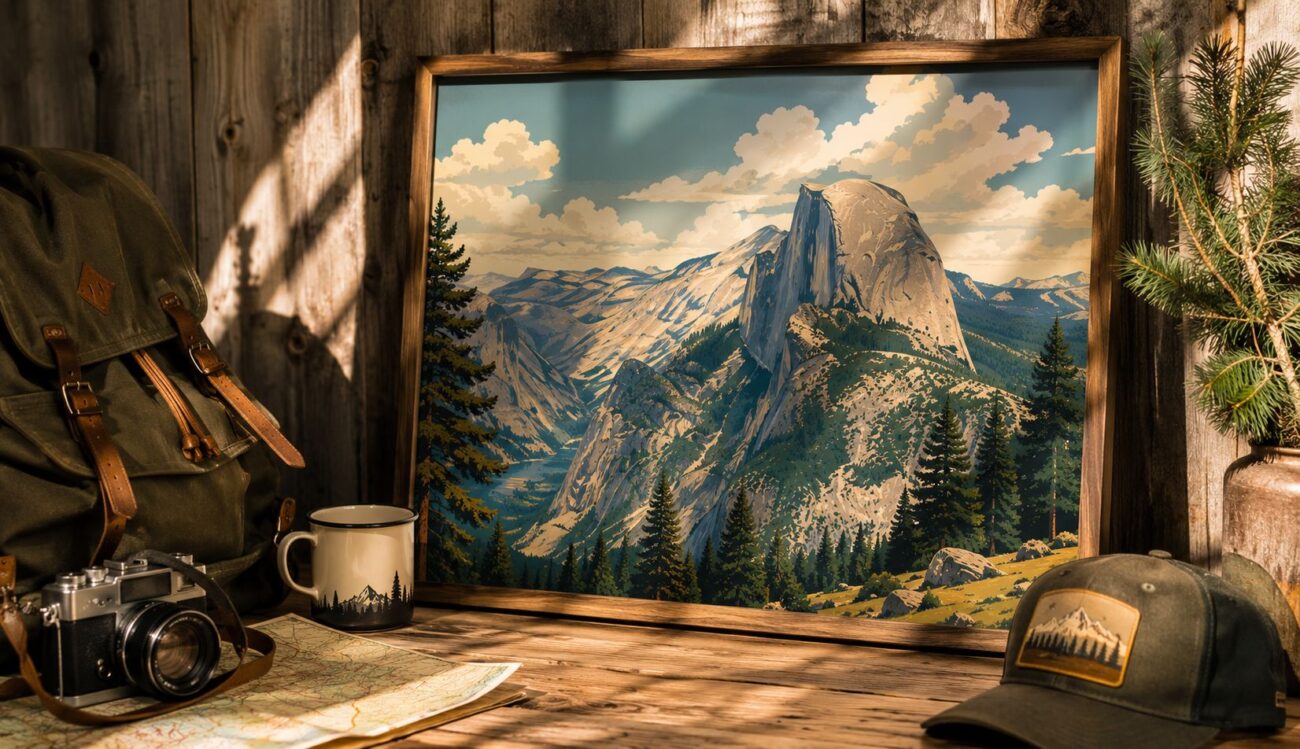
Today, vintage National Park artwork and retro outdoor apparel celebrate that same adventurous spirit. From classic travel poster designs to retro-inspired hiking graphics, these timeless styles allow nature lovers to carry a piece of the parks wherever they go.
Whether your favorite destination is Yellowstone, Yosemite, Zion, Glacier, or another beloved park, their stories continue to inspire exploration, conservation, and a lifelong love of the outdoors.
Final Thoughts
America’s national parks are more than scenic destinations—they are living symbols of conservation, adventure, and national heritage.
From Yellowstone’s pioneering legacy to the breathtaking landscapes of Yosemite, Zion, and Glacier, each park tells a unique story that has shaped the way we view and protect the natural world.
As visitors continue to explore these extraordinary places, the mission remains the same as it was over 150 years ago: to preserve these wonders for future generations and inspire a deeper connection with nature.
So the next time you lace up your hiking boots or plan a road trip, remember that every trail, overlook, and mountain vista is part of a story much larger than ourselves—a story that continues to unfold across America’s most iconic national parks.